
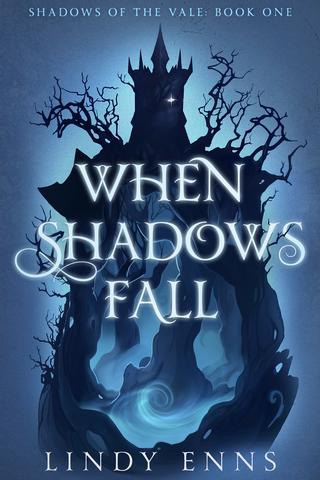

Fun fact before we get this show on the road: Worldcat offers more than 700 hits if you’re searching for “When Shadows Fall” in the title. (Goodreads, on the other hand, offers a measley 70+ hits. Just saying.) From a quick glance, the bulk of them fall firmly in one of two categories: mysteries and horrors. This book is neither one.
What it is, though, is a fantastic story set in a mysterious world that felt fresh to me. I was immediately gripped within the first few pages, and Lindy wields her “show, don’t tell” magic with impeccable precision. She tells you enough to keep you intrigued and wondering about more, without spoiling everything all at once. I’ve mentioned in the past that I hold the “show, don’t tell” approach to be a fine line, a line which some authors overstep and thereby confuse their readers. I’m happy to report that Lindy isn’t among them (but you might have guessed that already from my previous praise).
Indie Ink Awards (categories)
What this book also is, is a Finalist in several categories for the Indie Ink Awards 2023, where I happened to secure a spot on the judges panel this year.

When Shadows Fall is set to compete in three categories:
- Best friendship
- Best setting
- Writing the future we need: mental health representation
In case you’re wondering if I’m competent enough to be a judge in the last category – well, I certainly feel this way, having been diagnosed with recurring depressive disorder. That doesn’t make me an expert, of course, but while I have no personal experience with, say, anxieties, I feel at least sensitive enough about those themes to think I might be able to judge it.
Best setting – world building and stuff
But before we talk about this, I feel the need to address the world building of this story (and that, of course, is relevant to the Best Setting category). And what can I tell you? It’s awesome! There are a lot of things here that feel fresh to me, like household appliances driven by (negative) emotions. Haven’t come across this idea before, but absolutely love it! If someone is seething with anger, they can now get cooking with anger, too. Just imagine the possibilities – a guy like Trump could possibly be supplying the whole state of Texas on one of his conundrums alone!
Apart from this technical thing – it’s aptly named emotionry, by the way, and has a slight steampunk vibe to it – is the fact that this world is torn apart. But it’s not an imaginary line between, say, East and West or North and South, but rather it’s the line between Day and Night. Because every day, with nightfall comes the changing – the world is overlaid by a different world, one that is inhabited by dark monsters doing The Lord’s dark deeds. Not Lord in the sense of a God, more in the sense of “that guy sits in his castle and demands tribute from everyone”.
A happy world this is not, but an intriguing one. Lindy plays with concepts and ideas regarding – among other things – belief, and social structures. Terry Pratchett, for example, used the idea that Gods only gained power through their believers, and were powerless as long as no one believed in them. A little bit of that philosophy can be found in the underlying core of this story.
If you press me hard enough to try and describe this story with just a few words, they would probably be: Alice in wonderland meets Coraline, with a slight side helping of steampunk, but without steam.
Mental Health – anxieties and more
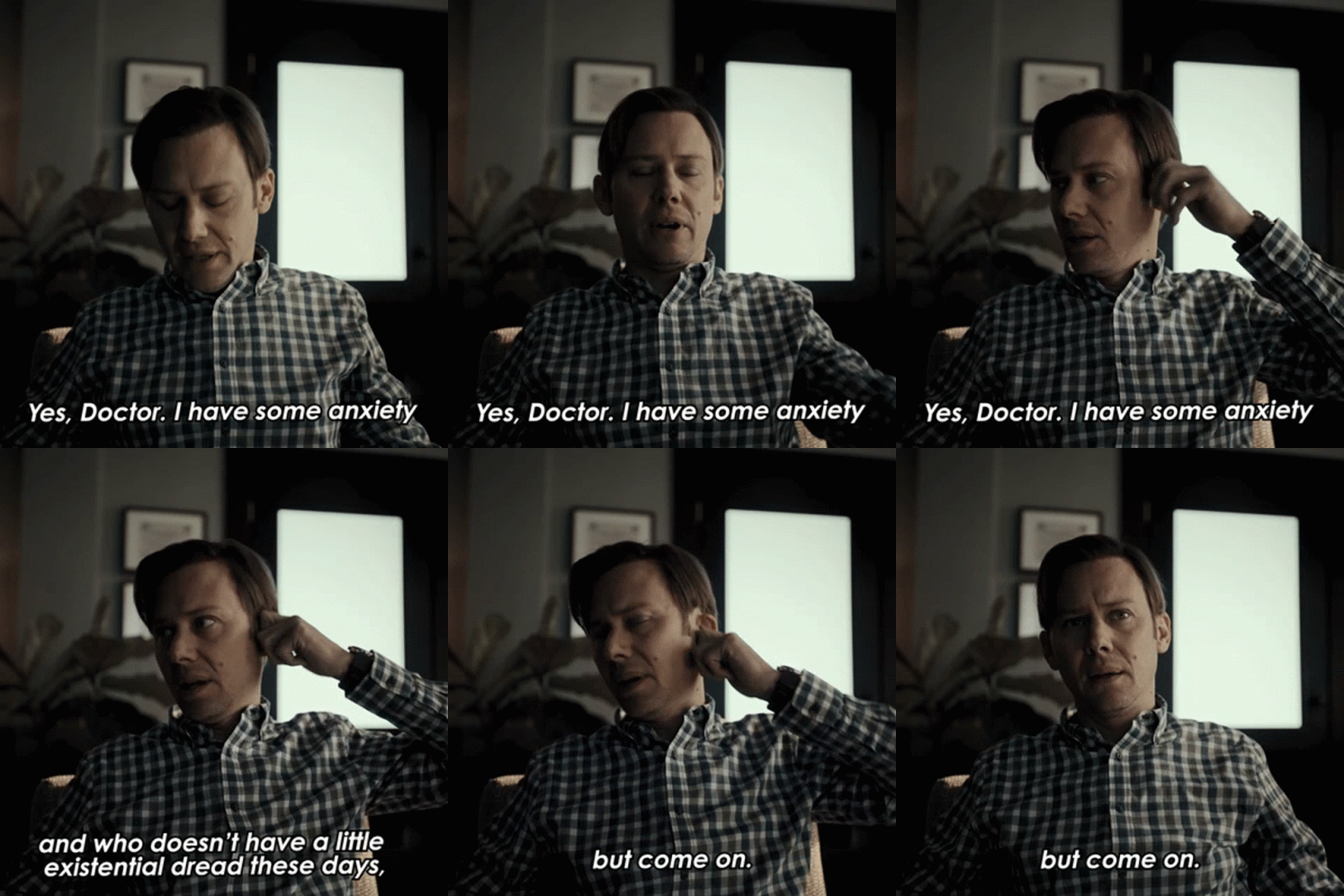
Regarding the mental health perspective, I can report that our protagonist suffers from anxiety and panic attacks, most probably PTSD. I don’t know about that first hand, but the way it is described – and the ensuing battle in her mind – feels plausible to me, and there are some similarities to depression. There’s nothing better than a little crippling self doubt, am I right?
Our protagonist has to battle her own demons on several occasions, and as it is prone to happen in literature (and the real world as well), those battles don’t always end the way we would like them. You know, win some, lose some, am I right?
I felt those panic attacks to be well written, and they were a part of the story without dominating it. Could the story have worked equally well without them? Maybe. But then again, they felt relatable and made the protagonist more human to me. If I had to live in this world, I would have some anxiety as well (see world building above).
And, last but not least, they provided the opportunity for Ara’s character to grow and develop over the course of the story.
Best Friendship – blood or water?
Interestingly enough, I find this the hardest category to judge. Because if you want to judge the friendship, you first need to be sure which friendship this should be.
Is it the family bond, the friendship between sisters that has one of them leaving the safety of home to rescue the other one? It’s a strong bond between our heroess, Ara, and her sister Lan. We could talk about their friendship, although I have the feelings that family might be something different than friendship.
Perhaps the most precious friendship is the one we forge of our own will, somewhere along the road (the road to the castle, or the road of our life, if you feel inclined to wax philosophical with me). After all, isn’t the friendship we find along the way the real treasure? Because friends are the family we choose, as the saying goes. If so, then Ara and Nat are off to a not so great start, more a weary union born out of necessity (at least, on Ara’s behalf). But then again, good stories are all about development, and this bond grows and changes over the course of the narrative.
Conclusion
I did enjoy my trip to the shadow of the Vale, although the ending let me down a bit. That is due to two facts – the first one being it felt kind of rushed, whereas before the pace had been totally different; and the second being the fact that there will be a sequel, so the story isn’t finished, and it ends at quite the cliffhanger. A lot of unfinished business.
But it works great as a coming of age story, and it is all about character development.

 Crossing the Pond Reviews